
Motor Finance Redress Scheme: What It Means for Drivers Affected by Mis-Sold PCP and HP Agreements
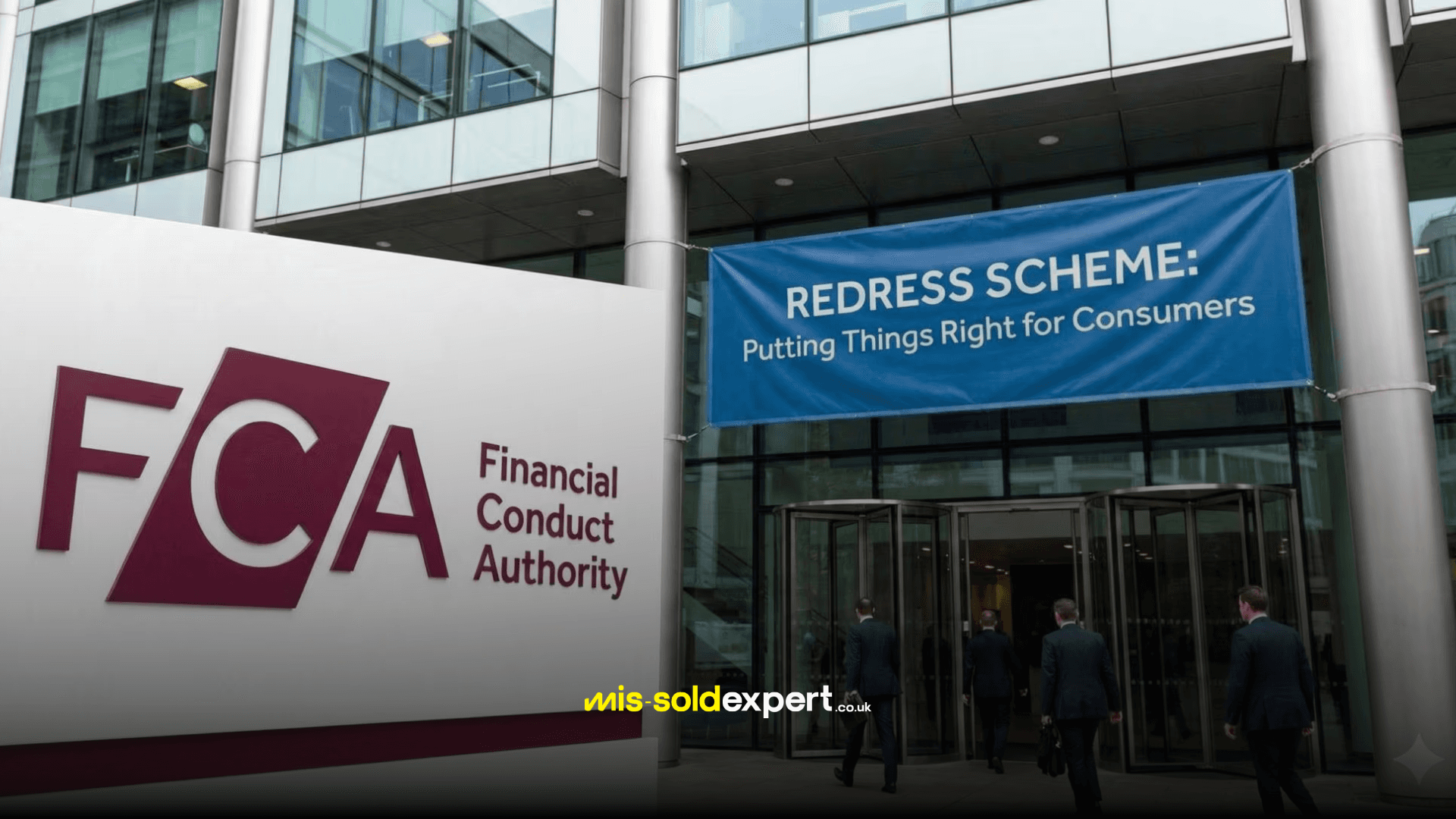
The Financial Conduct Authority (FCA) is developing plans for a large-scale car finance redress scheme, designed to address historic concerns around how some Personal Contract Purchase (PCP) and Hire Purchase (HP) agreements were sold. This follows an in-depth review into historic discretionary commission arrangements (DCAs) a practice the FCA believes may have created unfair outcomes for consumers. You can read the FCA’s latest update on this work here.
DCAs were banned in January 2021, but with millions of agreements written before then, the redress scheme could become one of the most significant consumer exercises in the motor finance sector. The FCA has set out its approach to this review in its statement on key considerations for implementing a possible redress scheme.
Why the FCA Is Introducing a Redress Scheme
Before 2021, some dealers and brokers were able to adjust the interest rate offered to customers. The higher the interest rate, the higher the commission the intermediary could receive. This created a potential conflict of interest, and many customers may not have been aware this mechanism existed.
The FCA highlights these concerns in its statement outlining its ongoing work in the motor finance market, which you can view.
Although the FCA removed DCAs through its policy statement PS20/8, questions remained over whether earlier finance agreements were sold in a way that meets today’s regulatory expectations.
The Financial Ombudsman Service (FOS) has also been receiving complaints about car finance mis-selling, and you can view its guidance here.
What the Redress Scheme May Cover
While the FCA has not yet published final rules, it has outlined areas that may fall within the scheme, including whether:
1. Interest Rates Were Inflated Due to Commission
Customers may have paid more interest because the broker had discretion to increase the rate. The FCA explains this issue in more detail in its update.
2. Commission Structures Influenced Outcomes
The FCA is assessing whether customers were treated fairly when interest rates were set by intermediaries. More details are provided in the FCA’s statement.
3. Important Information Was Properly Disclosed
Whether customers were given clear, fair and non-misleading explanations about commission arrangements. The FCA clarifies its expectations for disclosure in PS20/8.
4. Customers Were Treated Fairly
Firms must follow the FCA’s core principles, including Principle 6 , “a firm must pay due regard to the interests of its customers and treat them fairly”. This is set out here.
If a customer is found to have been disadvantaged, lenders may need to provide appropriate redress, such as refunding excess interest or adjusting the agreement.
Who Might Be Eligible for Review?
The FCA has made clear that customers may fall within scope if they:
- Took out PCP or HP finance before 28 January 2021, when DCAs were banned
- Used a dealer, broker or intermediary to arrange their finance
- Were not given clear information about commission or interest-rate setting
- Believe the rate offered may not have been fair or transparent
The FCA also confirms that customers do not need to have submitted a complaint already to be included, the scheme intends to ensure all relevant agreements are reviewed consistently. This is outlined here.
How the Review Process Is Expected to Work
Although the final framework is still being developed, the FCA has outlined how a potential scheme could operate:
1. Lender-Led Reviews
Firms will review relevant historical agreements using FCA-set criteria.
2. Clear Customer Communication
Customers may be contacted to provide additional information or to understand the process.
3. Redress Where Appropriate
If a firm identifies that a consumer was disadvantaged, fair redress must be provided.
4. FCA Monitoring
The regulator will oversee firms to ensure consistency, fairness and compliance.
5. Defined Timelines
Once launched, the scheme will operate within clear, transparent timeframes set by the FCA.
What Drivers Can Do Now
While awaiting the FCA’s final decision, customers can prepare by:
- Locating their car finance agreement (if available)
- Making note of the dealership or broker used
- Keeping any emails, paperwork or promotional materials
- Checking whether their agreement was PCP or HP
You do not need to have full evidence at this stage, and you do not need to submit a new complaint unless advised otherwise by the FCA.
If you believe you were mis-sold car finance, contact Mis-Sold Expert to find out how they can help.
You can claim without using a claims management company; you can go to your finance provider and then to FOS, for free. Additionally, the FCA is introducing a free consumer redress scheme.
Helpful resources:
- Motor Finance Compensation Scheme Likely To Include Implementation Period
- Can I Claim for Mis-Sold Car Finance on Behalf of a Loved One Who Has Died?
- Does Commission Automatically Mean Your Car Finance Was Mis-Sold?
- FCA Confirms 30th March Launch on Motor Finance Redress Scheme
- Can You Still Claim If You Returned Your PCP Car Early?
- What Happens If You Refinanced Your Car Agreement?
References
FCA: Update on motor finance work — https://www.fca.org.uk/news/statements/update-motor-finance-work
FCA: Key considerations for implementing a possible motor finance consumer redress scheme — https://www.fca.org.uk/news/statements/key-considerations-implementing-possible-motor-finance-consumer-redress-scheme
FCA: FCA to undertake work in the motor finance market — https://www.fca.org.uk/news/statements/fca-undertake-work-motor-finance-market
FCA Policy Statement PS20/8 — https://www.fca.org.uk/publications/policy-statements/ps20-8-motor-finance-discretionary-commission-models-and-consumer-credit-commission-disclosure
Financial Ombudsman Service: Car finance complaints guidance — https://www.financial-ombudsman.org.uk/consumers/complaints-can-help/consumer-credit/car-finance