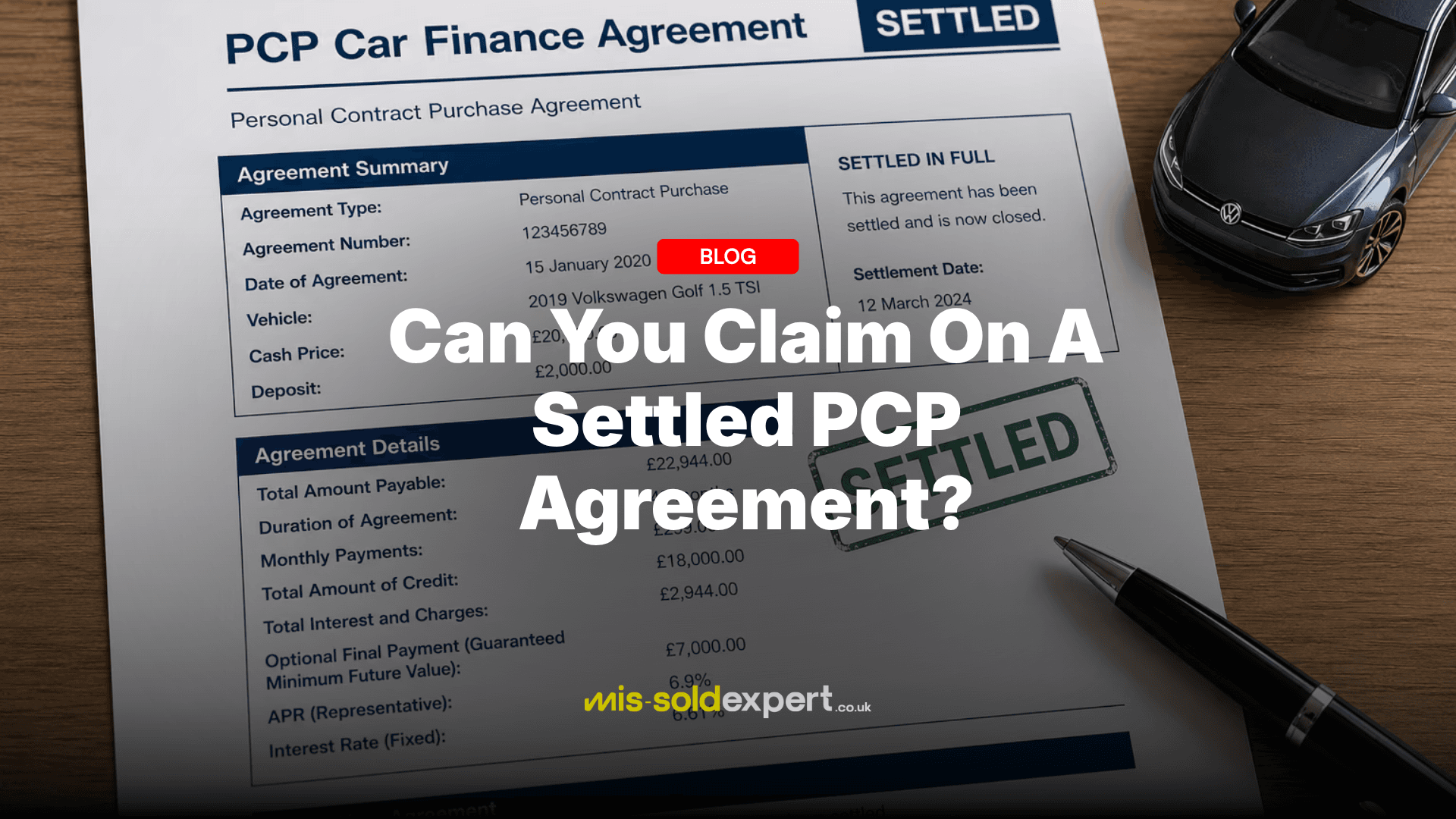
Can You Claim On Multiple PCP Agreements?
Millions Of Drivers Used PCP Finance More Than Once Without Questioning The Agreements
For years, changing cars every few years became normal for many UK drivers. A PCP agreement would end, the vehicle would be part exchanged, and another finance deal would often begin during the same dealership visit.
Many consumers moved through several finance agreements over time without paying much attention to how the borrowing costs were calculated or whether commission arrangements affected the deal being offered.
Following the FCA’s motor finance redress scheme, many drivers are now revisiting not just one PCP agreement, but several older finance deals arranged over many years.
For some consumers, the key question is no longer whether they have car finance. It is whether those agreements were explained clearly and whether important information about commission and interest rates was disclosed properly at the time.
In This Post
In this post, we'll cover:
- Whether you can make a claim on more than one PCP agreement
- Why many drivers are reviewing multiple finance agreements
- Whether different lenders or early settlements affect your claim
- How the FCA could assess multiple agreements for compensation
- What to do if you've lost paperwork for older finance agreements
- Whether you can complain yourself or get support with the process
Ready to see if you could make a claim? Start your free enquiry today.
Can More Than One PCP Agreement Be Reviewed?
Potentially, yes. The FCA’s compensation framework focuses on individual finance agreements rather than limiting reviews to a single vehicle or complaint.
This means consumers who entered into several PCP agreements between 2007 and January 2021 may potentially have more than one agreement worth reviewing.
Many drivers financed multiple vehicles during that period, particularly consumers who regularly upgraded cars every few years through dealership finance offers.
Some consumers are now reviewing consecutive agreements with the same lender, while others are looking back at finance deals arranged through different dealerships, different car brands or a mixture of PCP and Hire Purchase agreements.
The fact that a customer entered into more than one agreement does not automatically prevent those agreements from being reviewed under the FCA’s compensation framework.
Why So Many Consumers Ended Up With Multiple PCP Agreements
PCP finance became one of the most dominant products in the UK car market throughout the 2010s.
For many consumers, the structure made upgrading vehicles feel straightforward and affordable. Lower monthly repayments compared to traditional finance agreements, encouraged shorter ownership cycles and regular vehicle changes.
Dealerships also promoted upgrade opportunities heavily, particularly towards the end of existing agreements.
Over time, many consumers became used to returning vehicles every few years and moving directly into another finance agreement without fully reviewing the long-term borrowing costs attached to each deal.
Some drivers now say they focused mainly on monthly affordability and whether the repayments suited their budget rather than questioning how interest rates or commission structures operated behind the scenes.
Why Are Consumers Looking Back At Older Agreements Now?
The FCA investigated discretionary commission arrangements used throughout the UK motor finance market before January 2021.
These arrangements allowed some dealerships and brokers to influence the interest rate attached to finance agreements within limits set by the lender.
In certain situations, increasing the customer’s interest rate could increase the commission earned by the dealership arranging the finance.
The FCA later concluded that these commission models created conflicts of interest and increased the risk of unfair outcomes for consumers.
As a result, discretionary commission arrangements were banned in January 2021.
The regulator has now formally announced a motor finance redress scheme covering agreements where consumers may have suffered financial loss because of unfair commission structures between 2007 and 2024.
This has led many drivers to revisit several finance agreements they previously considered routine.
What Questions Are Consumers Now Asking About Multiple Agreements?
Many consumers reviewing several PCP agreements have raised similar concerns.
Some now question whether commission arrangements were disclosed properly across every agreement and whether dealership incentives influenced the interest rates attached to the finance deals.
Others believe lower-rate finance options may have existed elsewhere or that finance discussions focused too heavily on monthly payments rather than explaining the total repayable amount across the agreement term.
Some consumers now question whether older finance balances were rolled into newer agreements clearly and transparently.
For some drivers, reviewing multiple agreements side by side has raised further questions about why borrowing costs varied significantly between agreements despite having similar financial circumstances.
Does It Matter If The Agreements Were With Different Lenders?
No. Consumers often assume only agreements with the same lender can potentially be reviewed together.
In reality, agreements may still be relevant even where different lenders, dealerships or vehicle brands were involved.
Some consumers reviewing older finance histories had agreements arranged through several different lenders over time, particularly where they regularly changed vehicles through dealership finance offers.
The FCA’s compensation framework applies across large sections of the UK motor finance market rather than focusing on one individual lender or manufacturer.
What If One Agreement Was Settled Early?
Consumers also regularly ask whether early settlements affect older agreements.
Settling a finance agreement early does not automatically prevent it from being reviewed under the FCA’s redress scheme.
Many drivers refinanced vehicles before the end of the original term, changed cars early or rolled existing balances into newer agreements during part exchange deals.
The wider issue remains whether the original finance agreement was arranged fairly and whether commission structures and borrowing costs were explained clearly at the time of sale.
Can Consumers Compare Agreements Against Each Other?
Many drivers now compare older agreements to better understand how borrowing costs changed across several finance deals.
Some consumers reviewing multiple PCP agreements notice differences in APR rates, total repayable amounts, balloon payments and optional extras despite having similar circumstances at the time the agreements were arranged.
For some people, comparing agreements side by side has raised further questions about how certain finance deals were presented during dealership discussions.
While the FCA’s framework focuses on individual agreements, many consumers review several agreements together to better understand their overall finance history.
What If You No Longer Have All The Paperwork?
This is extremely common, especially for consumers who have entered into several finance agreements over many years.
Useful information can include finance agreements, settlement figures, APR details, dealership correspondence and payment schedules. However, not having every document does not necessarily prevent agreements from being reviewed.
Some consumers begin by contacting lenders directly to request copies of historic finance records and agreement information.
The FCA has also published guidance explaining how consumers can raise complaints and what information firms may request during the process.
Could Compensation Apply Across More Than One Agreement?
Potentially, yes.
The FCA’s compensation framework is designed to address situations where consumers may have suffered financial loss because of unfair commission arrangements.
If several agreements fall within the scope of the scheme, each agreement may potentially be assessed individually.
Compensation is not guaranteed, and outcomes depend on the details of each agreement involved.
The regulator has indicated that decisions may depend on factors such as whether commission arrangements were disclosed properly, whether consumers paid more interest than necessary and whether agreements created unfair outcomes overall.
Some consumers reviewing several agreements are now trying to better understand the cumulative borrowing costs attached to years of dealership finance.
Do You Have To Raise Complaints Yourself?
No. Consumers can complain directly to lenders free of charge, but some people prefer support reviewing multiple agreements and managing lender communications.
Where consumers have several PCP agreements spanning different lenders or dealerships, reviewing paperwork and agreement histories can sometimes become more time-consuming.
If you prefer support with the process, Mis-Sold Expert can assist with reviewing your agreements and communicating with lenders on your behalf.
Using a claims management service is optional, and consumers can always contact lenders directly free of charge.
Ready To Review Multiple PCP Agreements?
Following the FCA’s announcement of its motor finance redress scheme, many consumers are now looking back at years of dealership finance arrangements rather than focusing on just one vehicle.
For some drivers, multiple PCP agreements became such a routine part of changing cars that they never questioned how interest rates, commission arrangements or borrowing costs were determined at the time.
Reviewing several agreements together can help consumers better understand how their finance history developed across different vehicles, lenders and dealership sales processes
You can claim without using a claims management company; you can go to your finance provider and then to FOS, for free. Additionally, the FCA is introducing a free consumer redress scheme.
Ready to see if you could make a claim? Start your free enquiry today.